American Alligator
Alligator mississippiensis
An alligator crossing open water at last light — head, the ridge of the back and the tail all breaking the surface at once. Brazos Bend gets the attention, but they are in the Harris County parks too.
Space City Frames · Field work
Thirty-two frames from the upper Texas coast, made between June and August 2026 — bottomland hardwood at Brazos Bend, prairie and pond at John Paul Landing, the Barker reach west of Houston, and the pine country north of it. Every animal here is wild, unbaited and uncalled, photographed from public trails.
On files and prints. Everything on this page is a web export. Full-resolution files are available for licensing, and prints of any frame here can be enquired about on the prints page — or just get in touch.
Section I
Species and behaviour, all from public trails on the upper coast. Identifications are to species where a silent frame allows it, and to genus where it does not.

American Alligator
Alligator mississippiensis
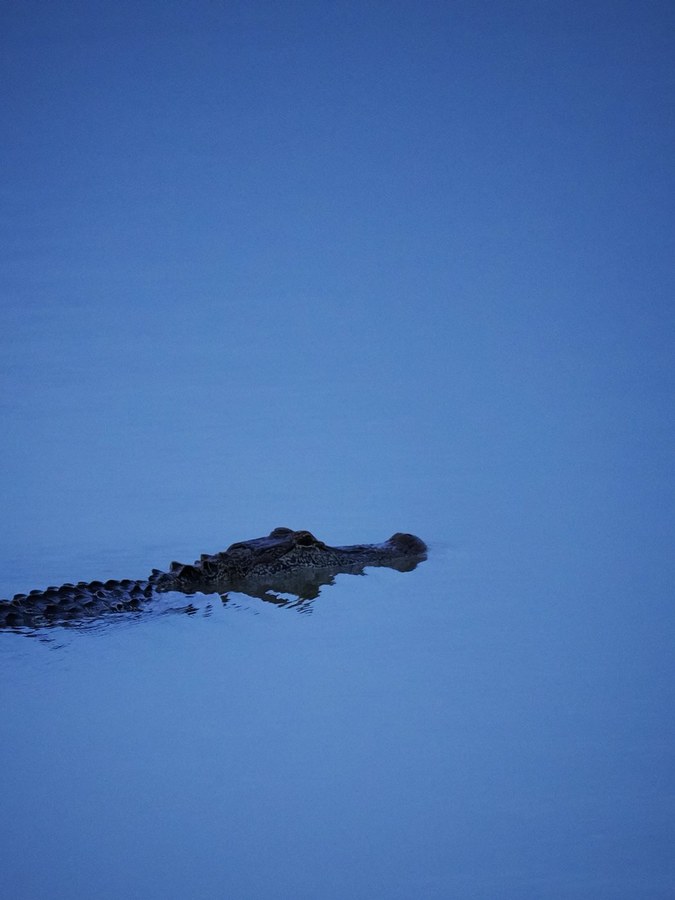
An alligator crossing open water at last light — head, the ridge of the back and the tail all breaking the surface at once. Brazos Bend gets the attention, but they are in the Harris County parks too.

American Alligator
Alligator mississippiensis
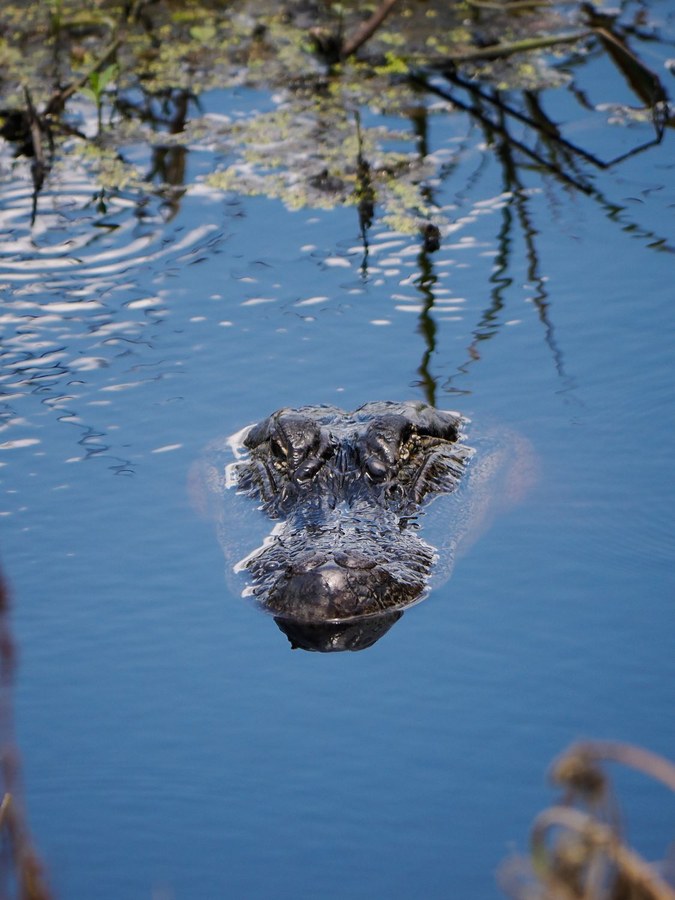
An adult at Brazos Bend State Park, holding in a duckweed-flecked reach with only the head above water. Photographed from the trail, at a distance that did not alter what the animal was doing.

American Alligator
Alligator mississippiensis
An adult holding station in open blue water, the head doubled in its own reflection. Mid-afternoon on the 40-Acre Lake trail, with the surface still enough to take the whole animal twice.

White-tailed Deer
Odocoileus virginianus · fawn
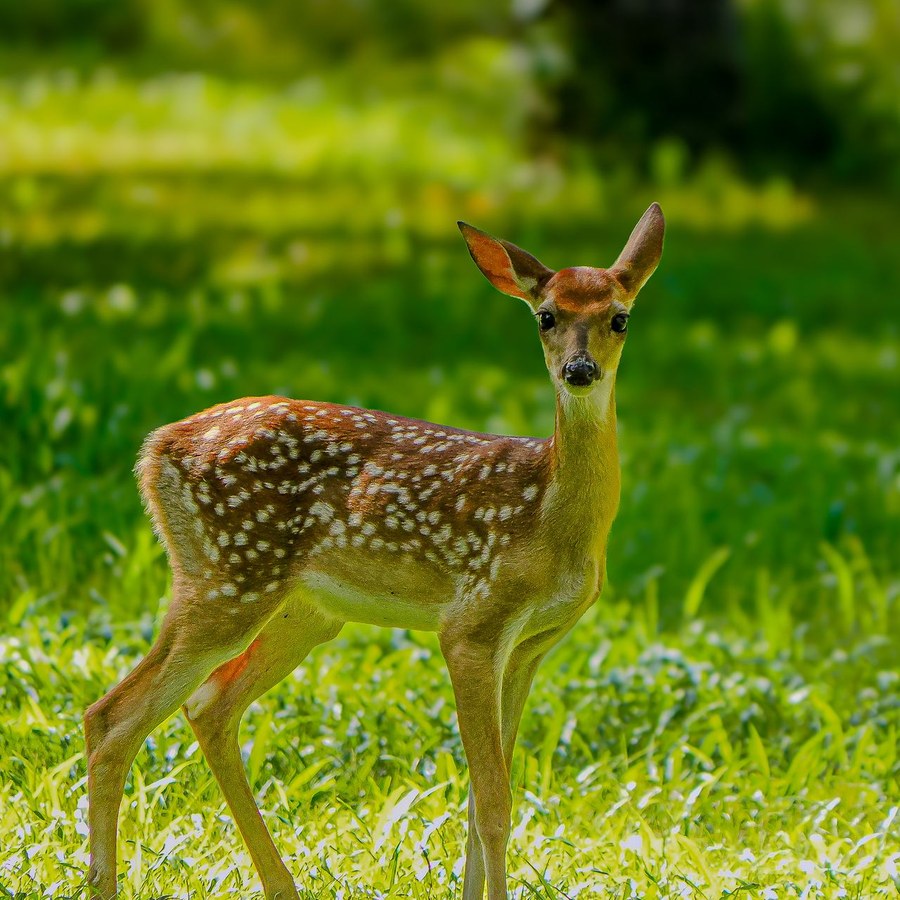
A spotted fawn turns to face the camera in late-afternoon backlight. Early June, and the spots are still hard-edged and dense — a few weeks old at most.

White-tailed Deer
Odocoileus virginianus · fawn
The same fawn three minutes earlier, crossing dappled ground under the oaks in the bottomland.

Yellow-crowned Night Heron
Nyctanassa violacea
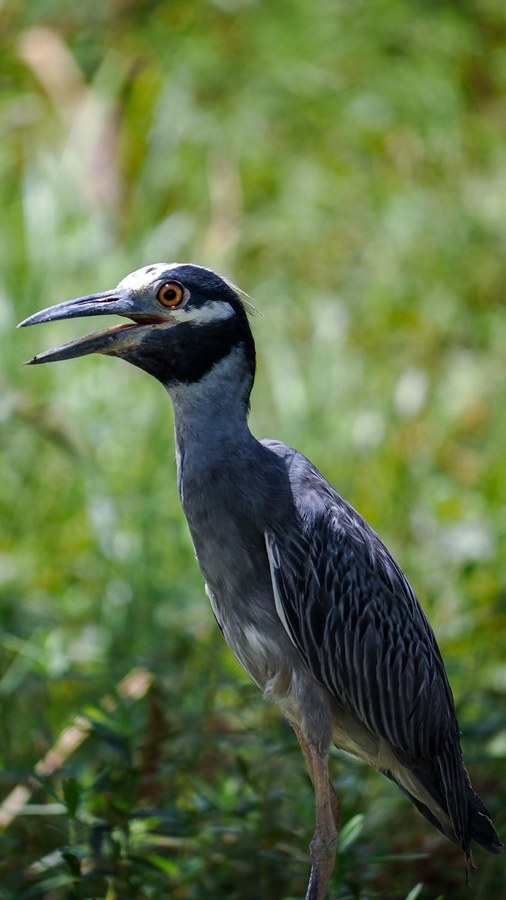
An adult calling from the bank — crown plumes, white cheek patch and the heavy crushing bill all legible at this range. The bill is the giveaway for the species: it is built for crayfish, which is most of what they take here.

Yellow-crowned Night Heron
Nyctanassa violacea
Another bird from the same afternoon, full length in shoreline vegetation. Included as the habitat frame that belongs with the portrait above.

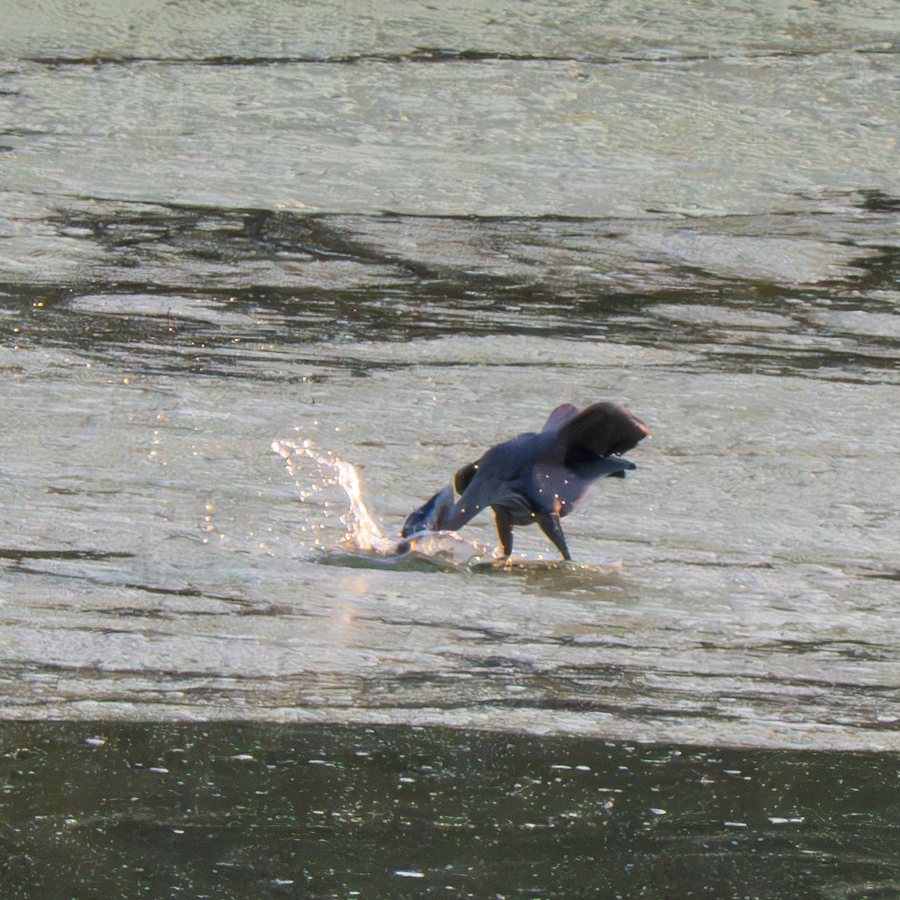
Great Blue Heron
Ardea herodias
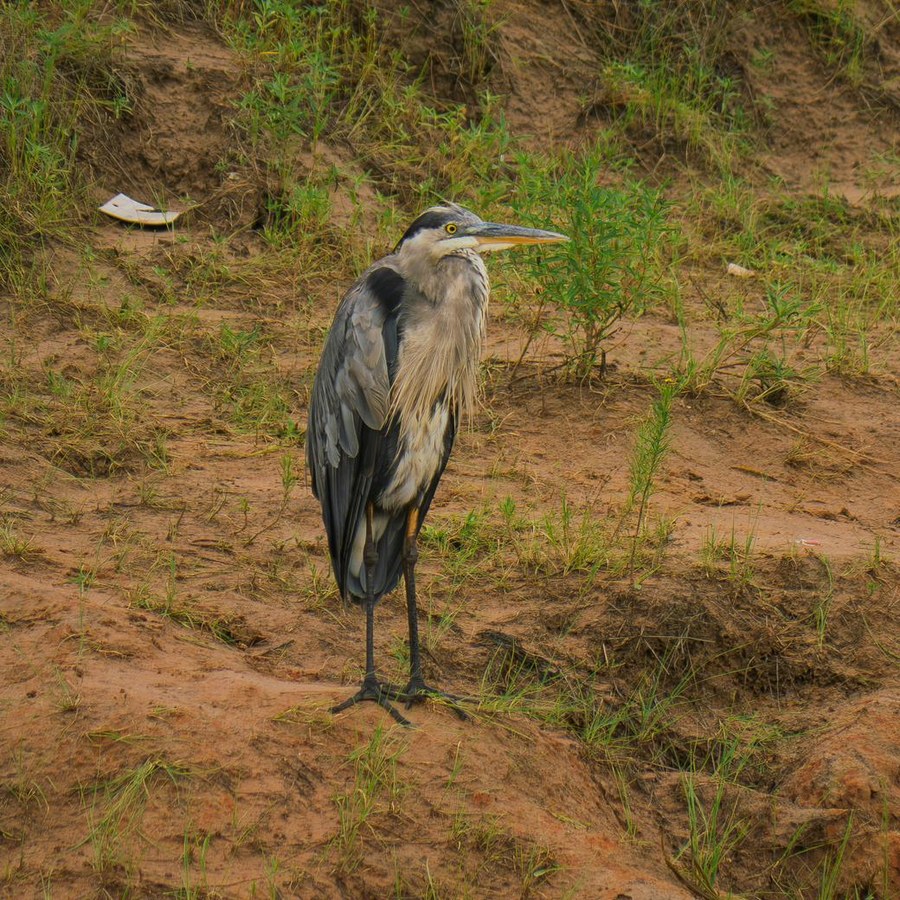
An adult standing well back from the shallows on the bare clay of a drawn-down bank, in the heat of a July afternoon.

Great-tailed Grackle
Quiscalus mexicanus
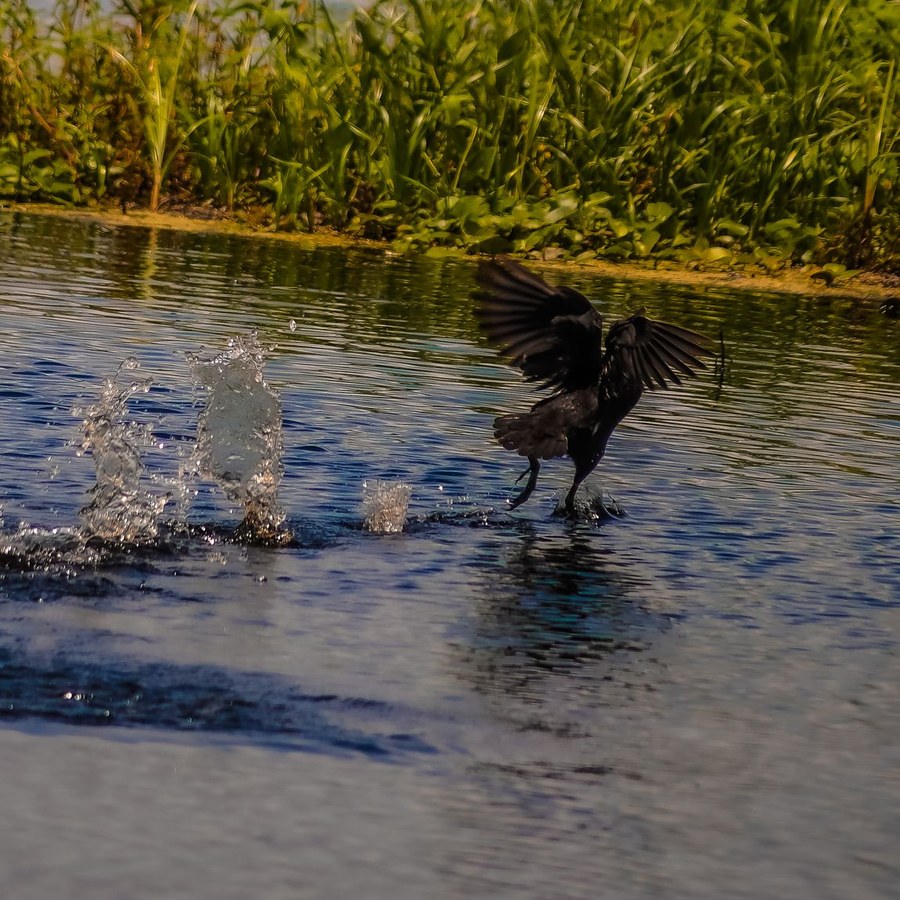
A grackle bathing at the edge of the slough, caught mid-shake. A bird most Texans have stopped seeing — which is the reason to photograph it properly.

Common Gallinule
Gallinula galeata
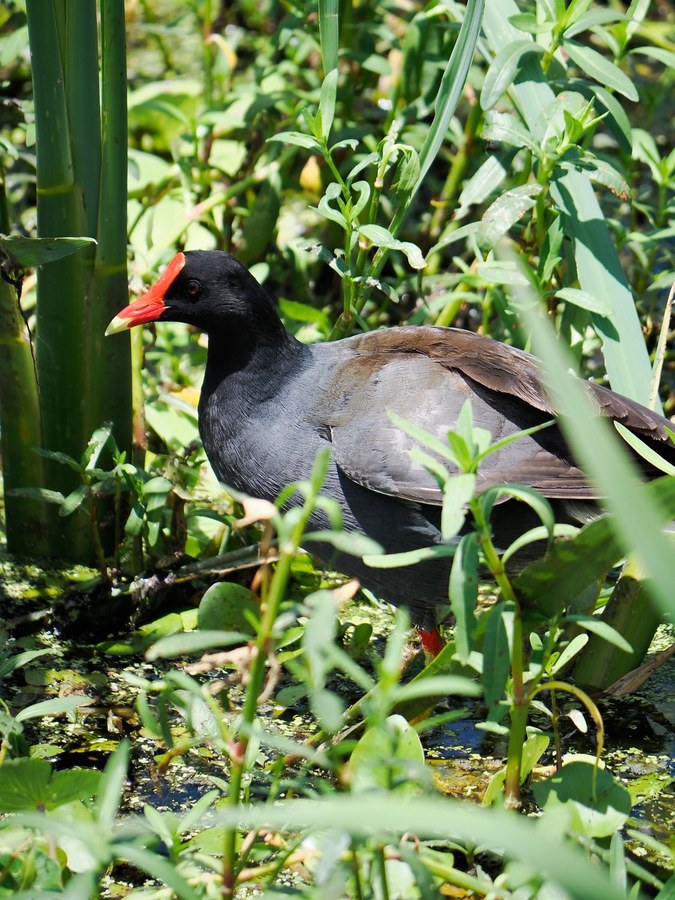
A gallinule working the margin of a lotus bed, red frontal shield and yellow-tipped bill clear against the green. The white flank stripe running the length of the body is the field mark that separates it from the coots it feeds alongside.

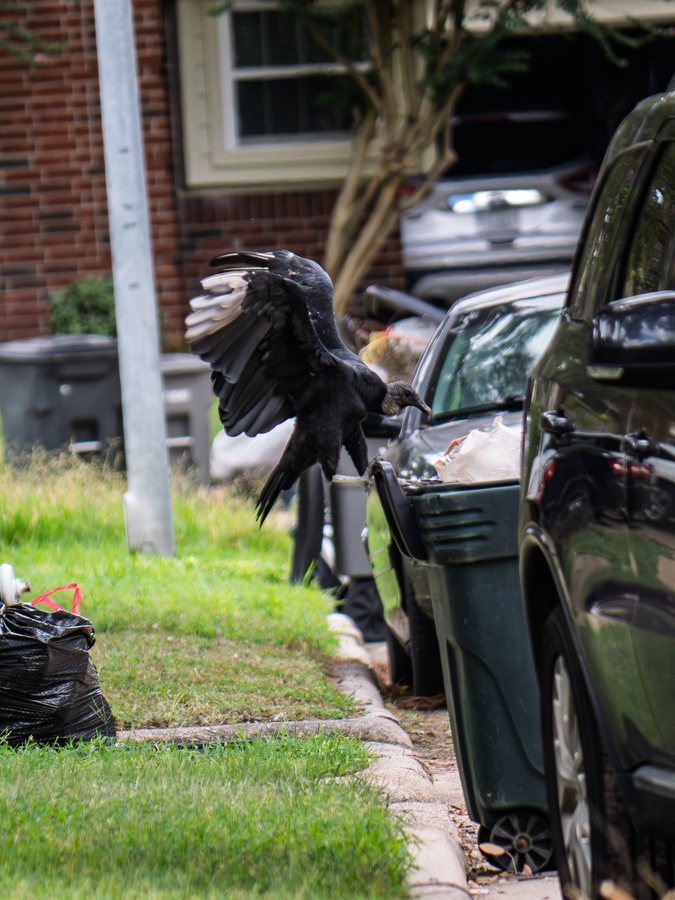
Black Vulture
Coragyps atratus
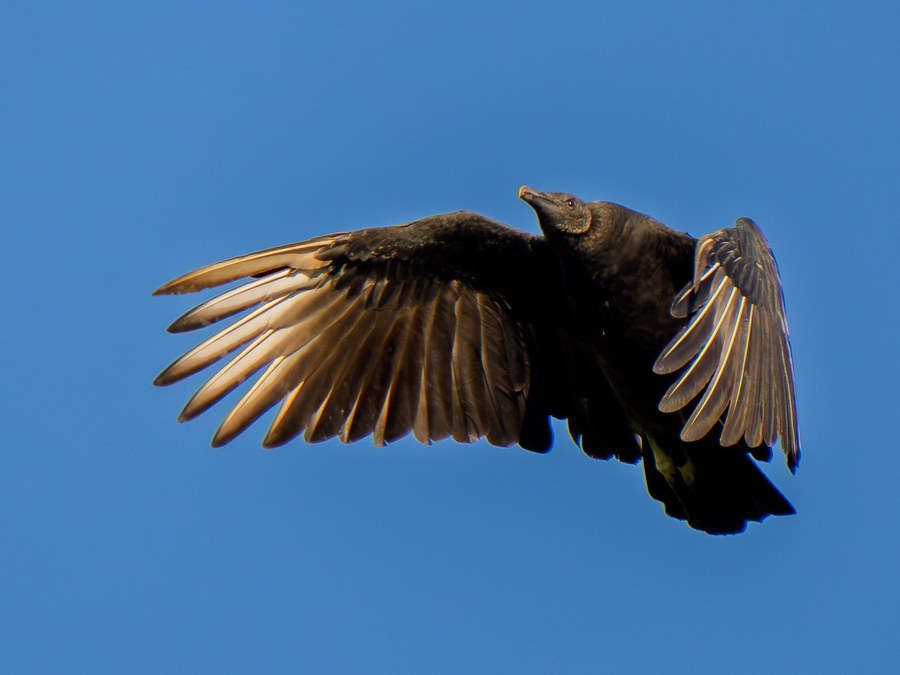
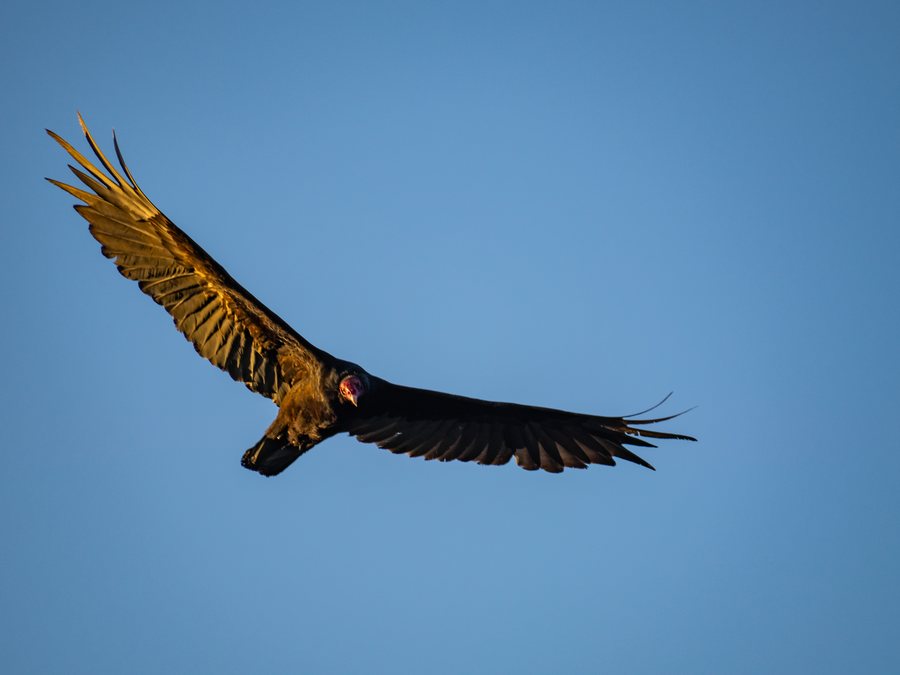
A black vulture passing low overhead, the silvery primary patches lit through from above. Base ISO in clean evening light; technically the strongest flight frame in this portfolio.

Black Vulture
Coragyps atratus
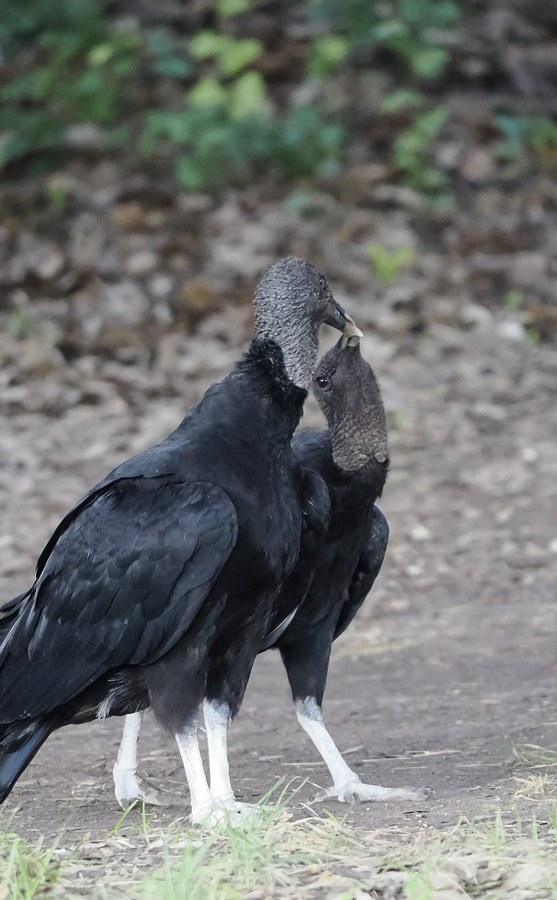
Two black vultures allopreening on the park road — one working over the other's head and nape, where a bird cannot reach itself. Black vultures pair for years, and this is close to the least-photographed thing they do.

Crested Caracara
Caracara plancus
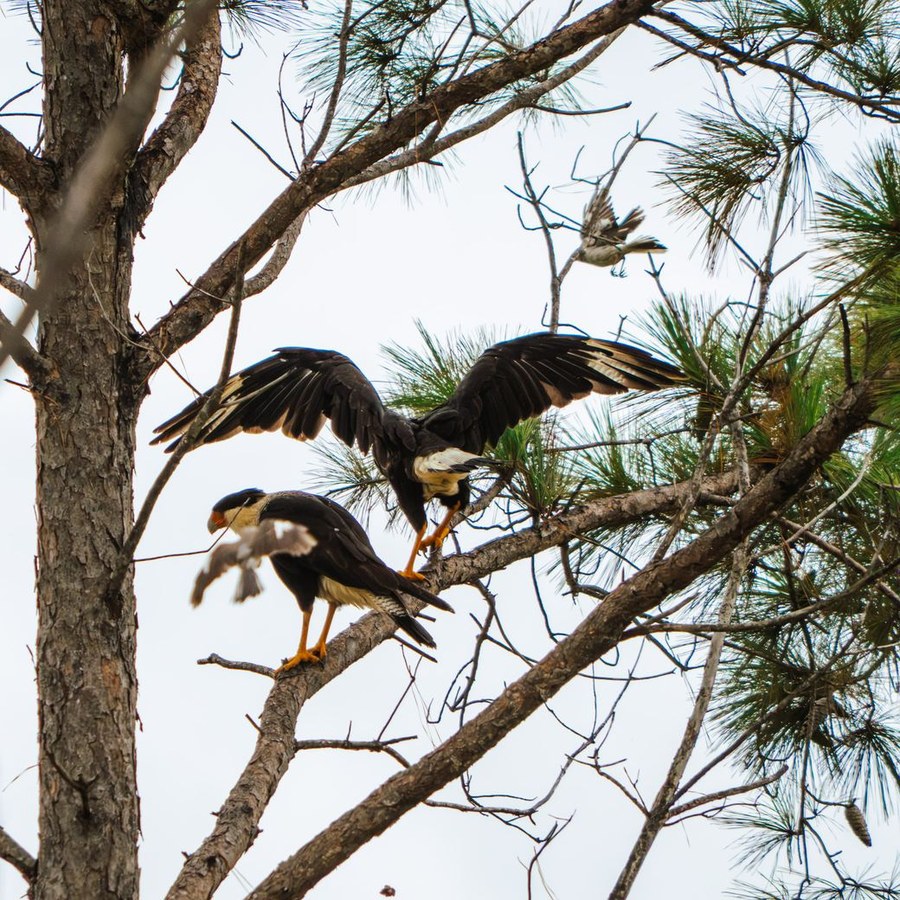
Two caracaras in a loblolly pine, one dropping in beside the other — and being mobbed for it. A Northern Mockingbird flashes its wings at lower left; a second is braced on a dead branch at upper right. Mockingbirds will work a caracara over for as long as it stays in the tree.

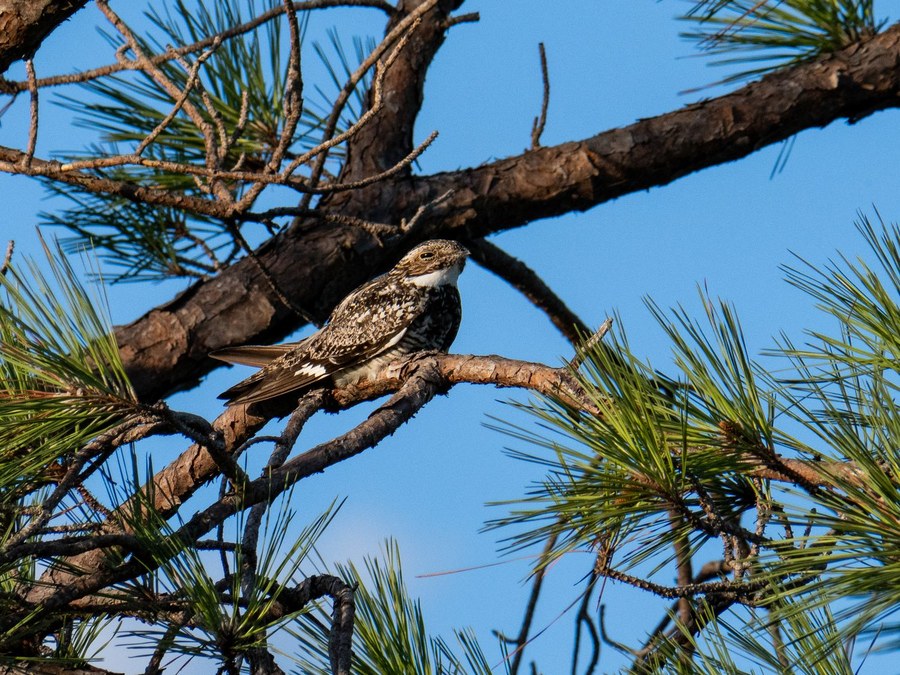
Common Nighthawk
Chordeiles minor
A nighthawk roosting lengthwise along a pine limb in the last hour of daylight — the way the species habitually perches, aligned with the branch rather than across it. Cryptic enough that most people walk under one without seeing it.

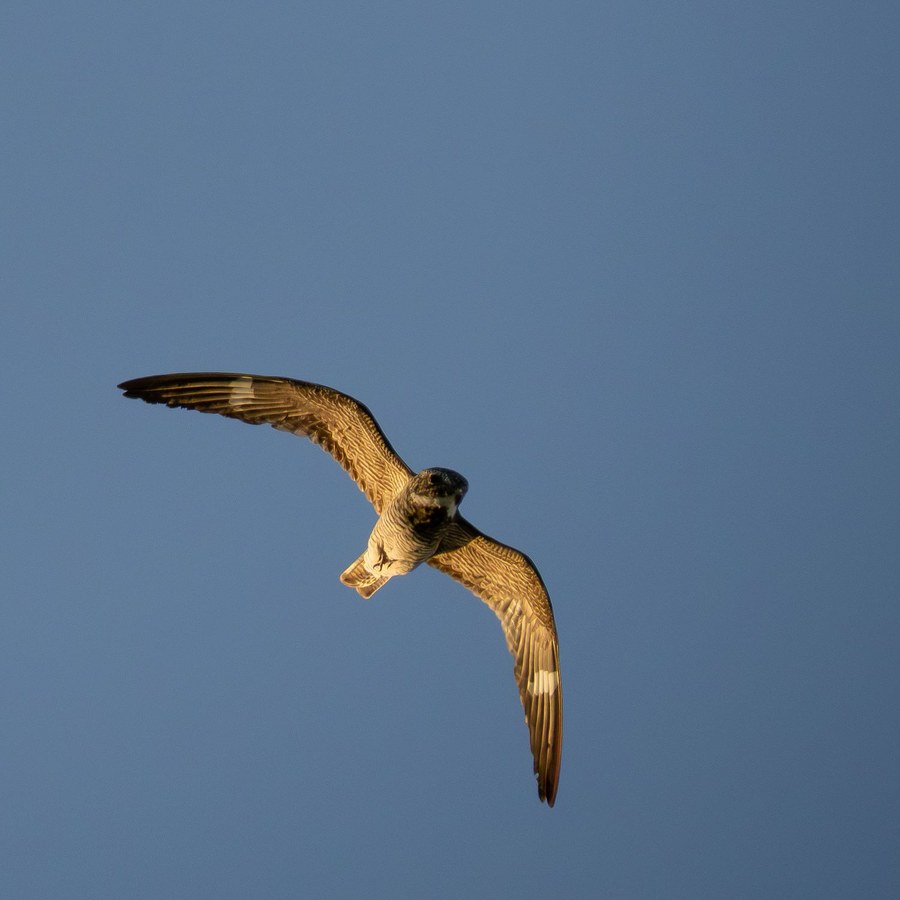
Common Nighthawk
Chordeiles minor
The same bird hunting four minutes later, low sun coming through the primaries from behind. The white bar across the outer wing is the field mark; the light through the flight feathers is the reason to be out at that hour.

Common Nighthawk
Chordeiles minor
Wings full spread, seen from below in the same pass. Nighthawks feed on the wing at dusk over open ground, and this park’s mown verges and water put a reliable number of them up every evening in July.

Red-winged Blackbird
Agelaius phoeniceus
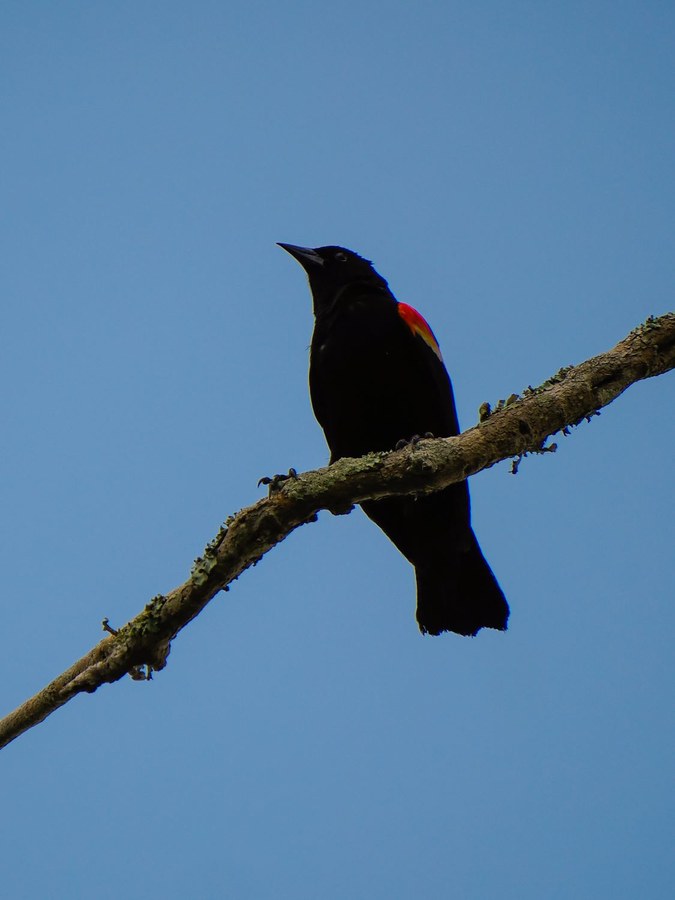
A male on a lichened limb against clear sky, epaulet showing. The red is only fully exposed when he is singing or displaying; at rest most of it is covered by the buff border and the scapulars.

Crow
Corvus sp.
A crow among Spanish moss in the bottomland. American and Fish Crow both occur here and are not safely separable in a silent frame, so this one is captioned to genus rather than guessed.
Section II
Invertebrates at working distance, mostly with the long zoom rather than a macro lens. Four species from three sites.
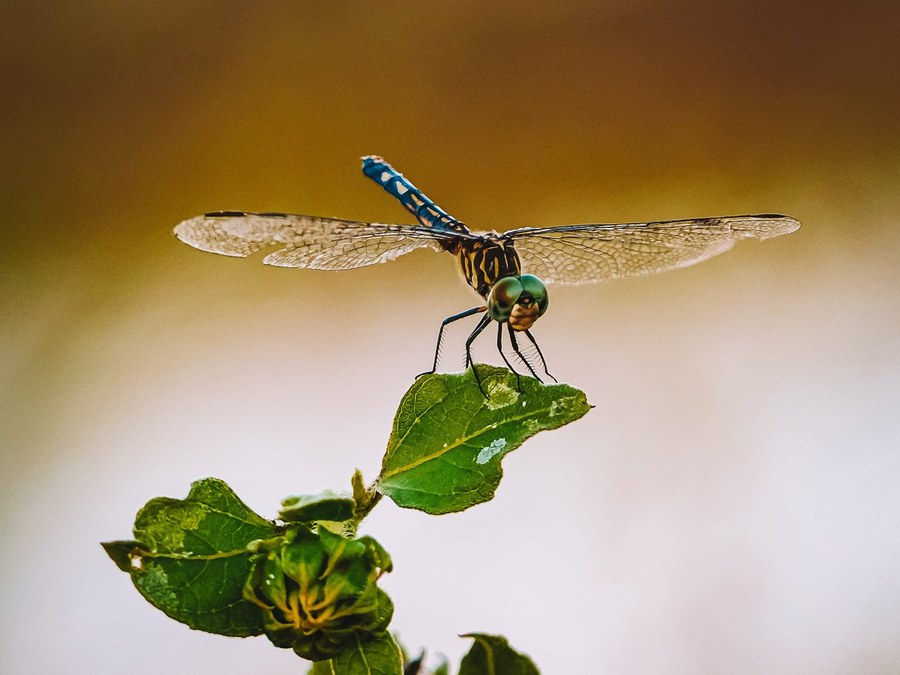
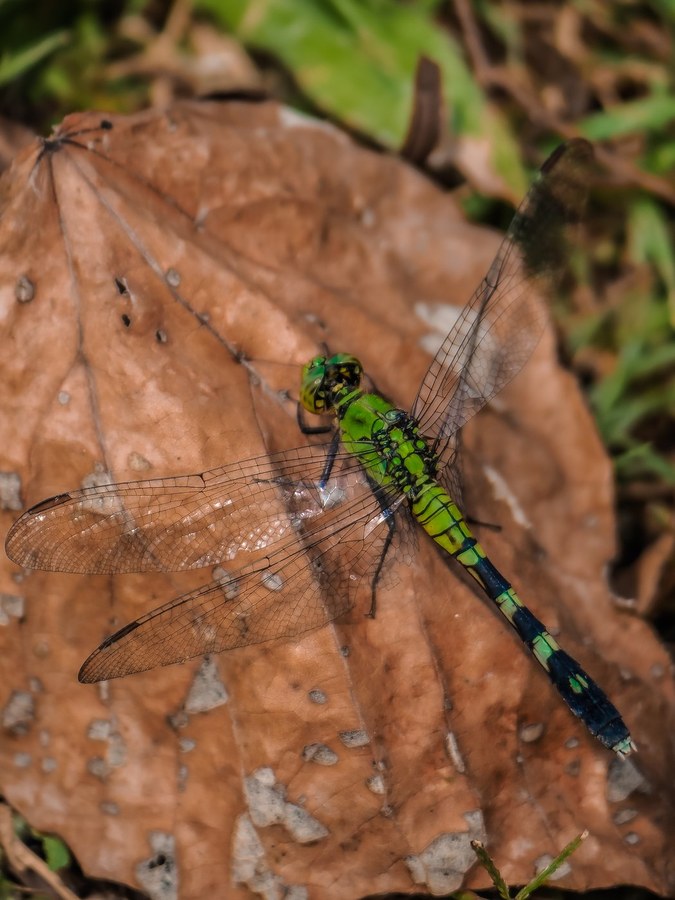
Blue Dasher
Pachydiplax longipennis · male
A male blue dasher on a leaf tip at last light, wings canted forward. The powder-blue abdomen and green eyes are diagnostic; the white face confirms it.

Eastern Pondhawk
Erythemis simplicicollis · female
A female pondhawk resting on a fallen leaf on the forest floor. Females and immatures are this green; mature males turn powder blue and look like a different insect entirely.

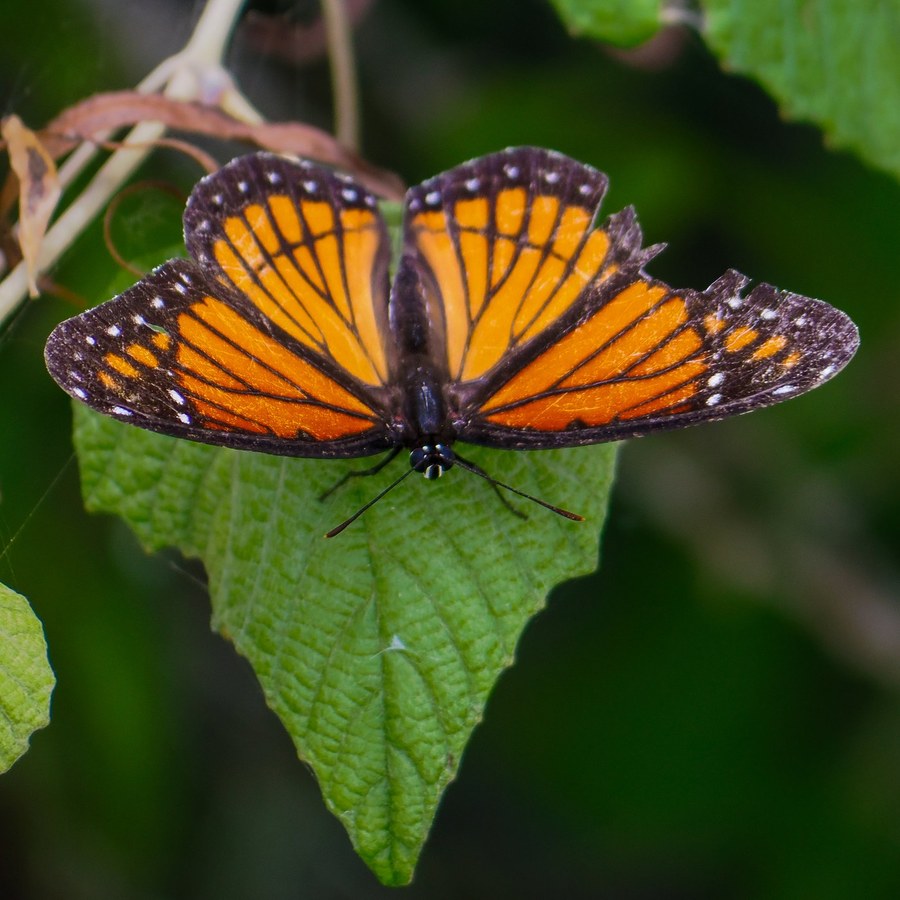
Viceroy
Limenitis archippus
A viceroy open-winged on a leaf in filtered light. The black line running across the hindwing veins is what separates it from a monarch, and it is clean in this frame.

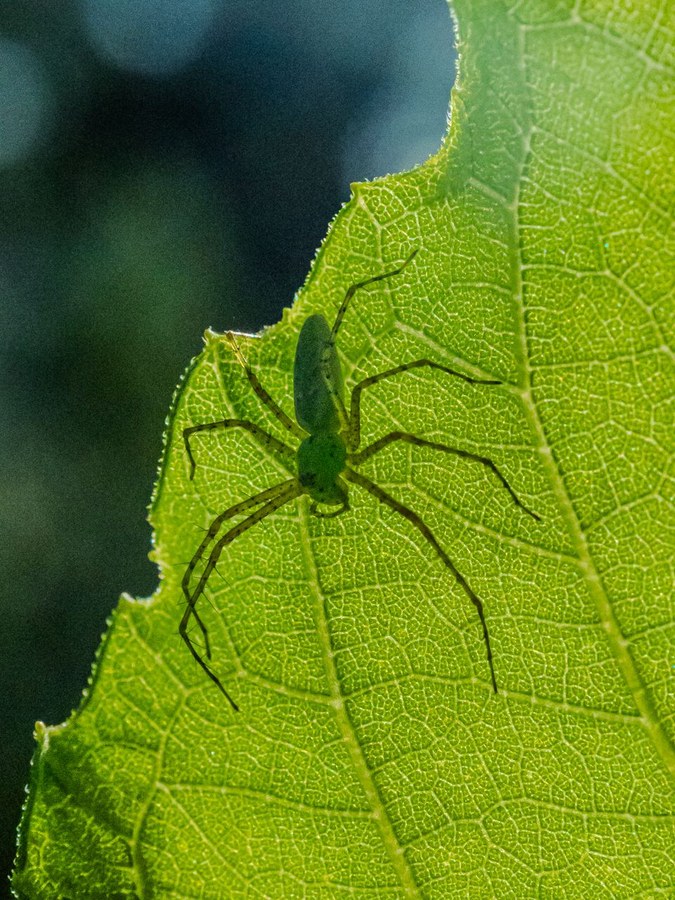
Green Lynx Spider
Peucetia viridans
A green lynx spider on the underside of a backlit leaf, the venation showing through around it. Handheld at 1/6400.
Section III
Two plants, photographed where they were growing. Cultivated garden flowers from the same months are deliberately left out of this portfolio.

Thistle
Cirsium sp.
A thistle in low evening light, one head in flower and one already gone over to seed. Left at genus — I did not key it in the field and will not guess in a caption.

Sensitive briar
Mimosa sp.
A sensitive briar flower head standing above wet grass on a foggy morning. The leaflets fold shut at a touch, which is where the plant gets its name.
Section IV
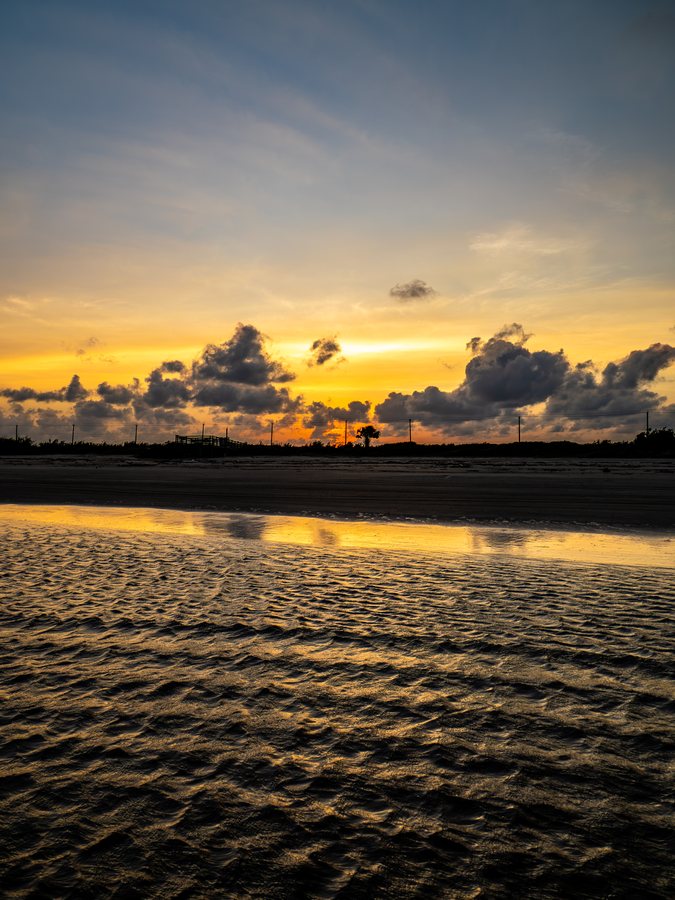
The half-hour either side of sunset, which on this coast is when most of the work happens. All single exposures.
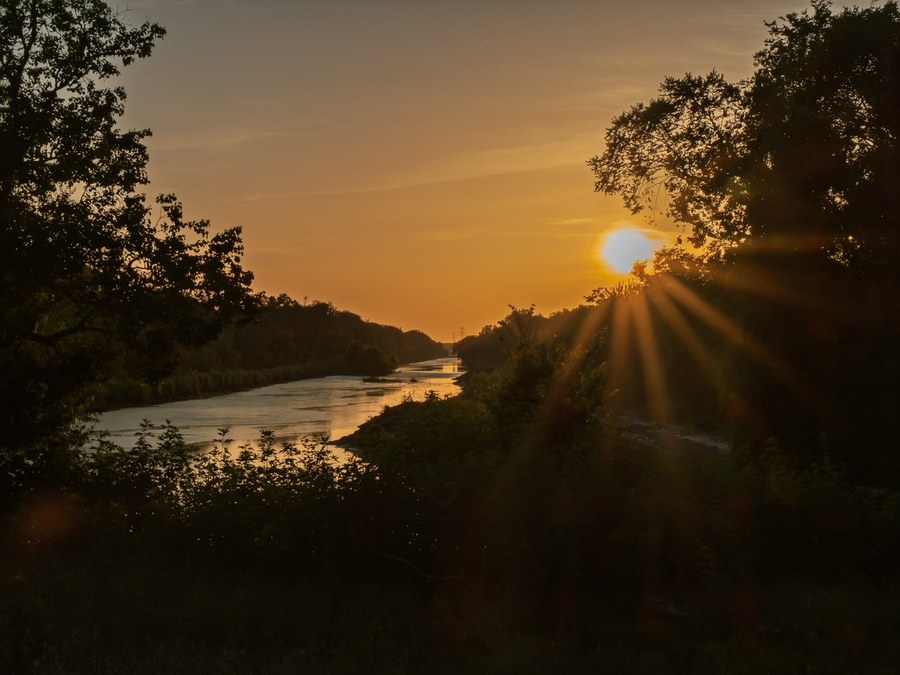
Sunset over the channel
The sun dropping into the treeline at the end of a channel in the Barker reach, west of Houston. The star on the sun is the aperture, not a filter.

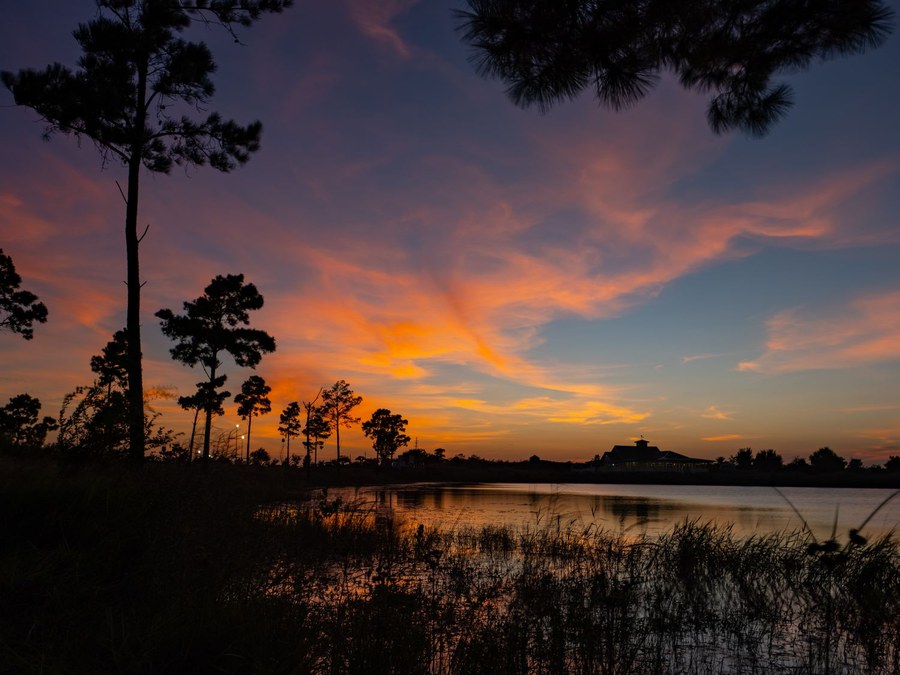
Pines over water
Loblolly pines against a clearing sky over still water, twenty minutes after sundown in late July.

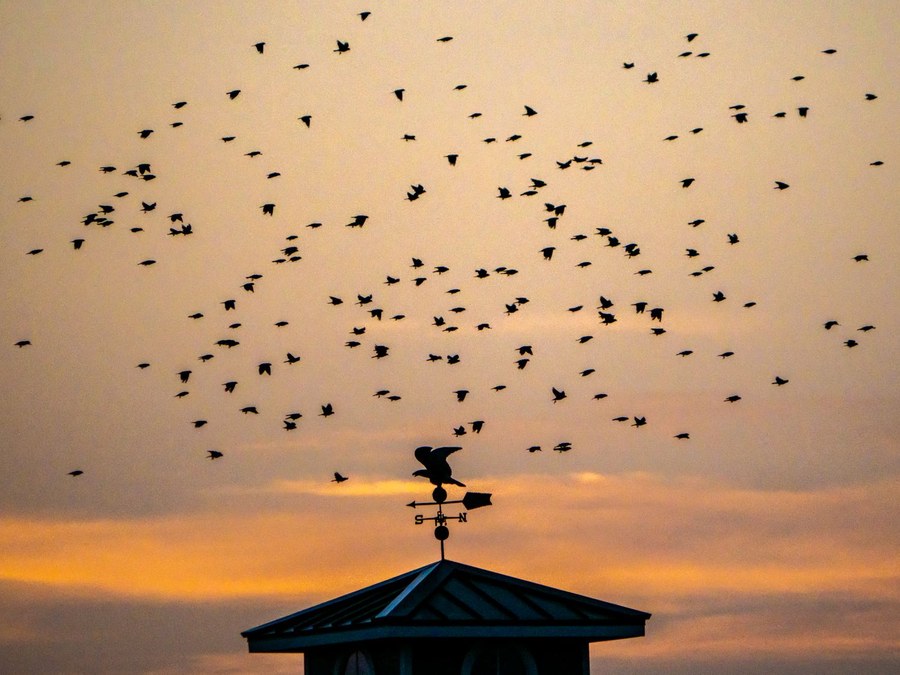
Blackbird flock at dusk
A blackbird flock breaking over the weathervane on a park shelter, just after eight in the evening. The vane is a bird as well.

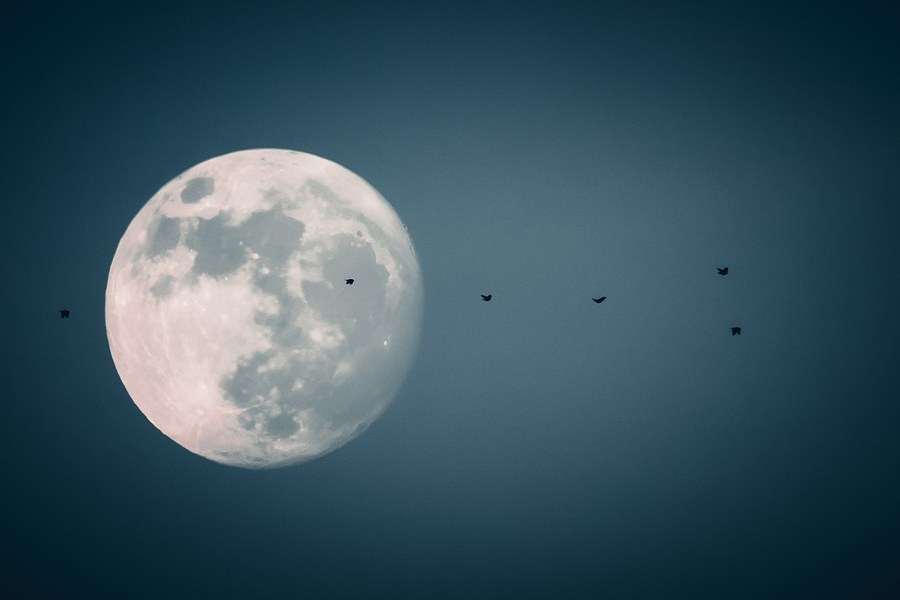
Moonrise
The moon coming up in a clear teal sky, with birds crossing at what looks like the same altitude. Single frame, single exposure — the moon and the birds were photographed together, not assembled.
Section V
Four frames that are about the park rather than the wildlife in it — the kind of picture a magazine needs constantly and gets offered rarely.
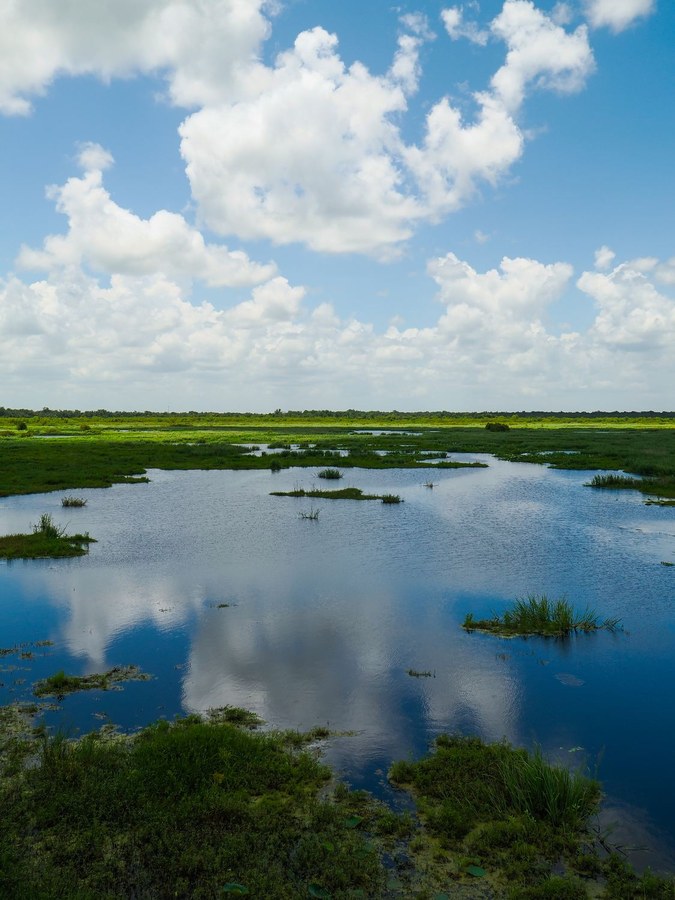
Wetland under cumulus
Elm Lake in the middle of a June afternoon, with the summer cumulus that builds over this coast every day from May to September doubled in the water. The habitat picture that the alligator and heron plates sit inside.

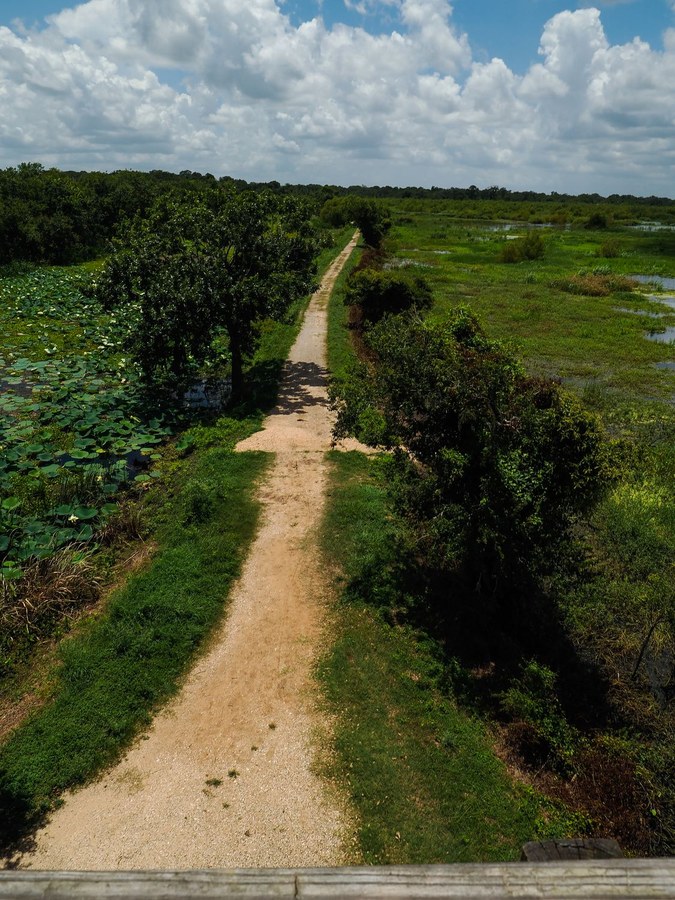
Trail through the prairie
The levee trail running out between the lakes, empty, at midday. A frame for the practical end of a park story — where you walk, what it looks like, what the walking is through.

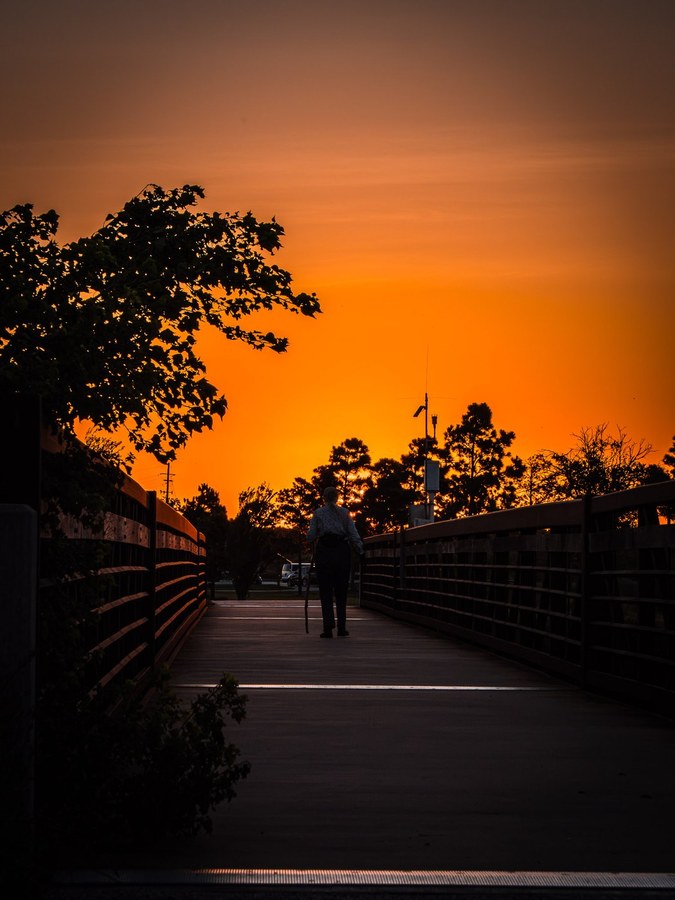
Boardwalk at last light
A visitor walking out along the bridge at sunset. A park-use frame rather than a wildlife one; the figure is not identifiable.

Alligator advisory
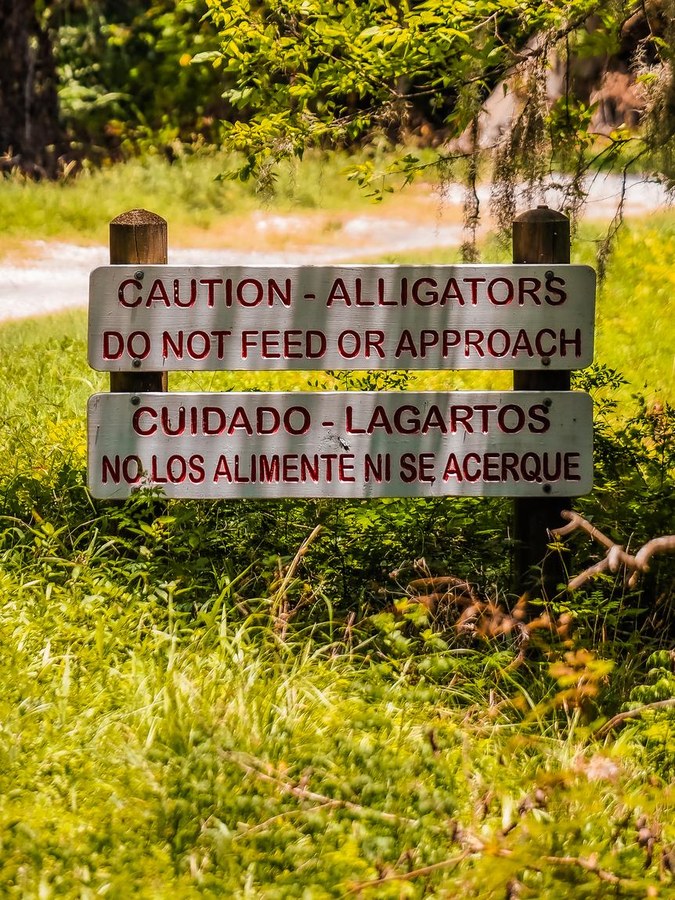
The bilingual alligator advisory at a trailhead, mid-summer, with the trail running away behind it. A working frame for safety, interpretation and outreach stories.